
Exploring the realm of eCommerce PPC optimization strategies in 2025 unveils a landscape of innovation and growth. As the digital market continues to evolve, understanding the latest trends and techniques becomes paramount for businesses looking to thrive in the online space.
Let's delve into the dynamic world of PPC optimization for eCommerce and discover what strategies are set to dominate in the coming year.
In this comprehensive guide, we will navigate through the significance of PPC advertising, the integration of AI and machine learning, mobile optimization essentials, and the pivotal role of data analytics in refining eCommerce PPC strategies.
Top eCommerce PPC Optimization Strategies in 2025
In the ever-evolving landscape of eCommerce, Pay-Per-Click (PPC) advertising remains a crucial component of driving traffic and generating sales for online businesses. As we look ahead to 2025, it's essential to stay abreast of the latest trends and strategies that will shape the future of eCommerce PPC optimization.
Current Trends in eCommerce PPC Optimization
- Utilizing AI and machine learning algorithms to optimize ad targeting and bidding strategies.
- Implementing video ads and interactive content for enhanced engagement and conversion rates.
- Emphasizing personalized ad experiences based on user behavior and preferences.
Importance of PPC Advertising for eCommerce Businesses
In the competitive eCommerce landscape, PPC advertising offers a targeted approach to reach potential customers, increase brand visibility, and drive immediate results. By leveraging PPC campaigns effectively, businesses can boost their online presence, attract qualified leads, and ultimately boost sales and revenue.
Evolution of PPC Strategies in eCommerce
- From -centric to audience-centric targeting for more precise ad delivery.
- Integration of data analytics and performance tracking for continuous optimization and ROI measurement.
- Shift towards omnichannel marketing to create a seamless customer journey across multiple touchpoints.
Successful eCommerce PPC Campaign Examples
- Amazon's dynamic product ads that retarget users with personalized product recommendations based on their browsing history.
- Wayfair's use of geo-targeting to deliver location-specific ads and promotions to customers, enhancing relevance and conversion rates.
- Zappos' strategic bidding on long-tail s to capture niche markets and drive targeted traffic to their site.
Utilizing AI and Machine Learning in PPC Optimization

AI and machine learning technologies have revolutionized the way PPC optimization is carried out in the eCommerce industry. These advanced technologies offer numerous benefits that can significantly enhance the performance of PPC campaigns.
Enhanced Bid Management and Targeting
AI plays a crucial role in bid management by analyzing vast amounts of data in real-time to make informed bidding decisions. By leveraging machine learning algorithms, eCommerce businesses can optimize their bids based on various factors such as user behavior, demographics, and past interactions with the website.
This dynamic bidding strategy ensures that the right ads are shown to the right audience at the right time, maximizing ROI.
AI-driven PPC Optimization Tools for eCommerce
There are several AI-driven tools available in the market that help eCommerce businesses streamline their PPC optimization efforts. Tools like Acquisio, Kenshoo, and Adext utilize AI algorithms to automate bid adjustments, targeting, and ad placements, resulting in more efficient and effective campaigns.
These tools also provide valuable insights and recommendations for continuous improvement.
Comparison with Traditional PPC Optimization Methods
Compared to traditional PPC optimization methods that rely heavily on manual analysis and decision-making, AI-based approaches offer unparalleled speed, accuracy, and scalability. While manual optimization can be time-consuming and prone to human error, AI algorithms can process vast amounts of data in seconds and make intelligent optimizations in real-time.
This results in better performance, higher conversions, and lower costs for eCommerce businesses.
Mobile Optimization for eCommerce PPC
Mobile optimization plays a crucial role in the success of eCommerce PPC campaigns. With the increasing use of smartphones for online shopping, it is essential for businesses to tailor their PPC strategies specifically for mobile users.
Significance of Mobile Optimization in eCommerce PPC Campaigns
Mobile optimization is vital in eCommerce PPC campaigns as it ensures that the ads are displayed correctly on mobile devices, providing a seamless user experience. With more people using their smartphones to shop online, businesses need to prioritize mobile optimization to reach their target audience effectively.
Best Practices for Creating Mobile-Friendly PPC Ads
- Use responsive design to ensure ads adapt to different screen sizes.
- Optimize landing pages for mobile users with fast loading times and easy navigation.
- Create concise and compelling ad copy that is easy to read on smaller screens.
- Incorporate mobile-specific ad extensions like click-to-call or location extensions.
Impact of Mobile Responsiveness on PPC Conversion Rates
Mobile responsiveness has a significant impact on PPC conversion rates. A mobile-friendly website and ads can lead to higher engagement and conversion rates as users are more likely to interact with optimized content. By providing a seamless mobile experience, businesses can improve their overall conversion rates and ROI.
Tailoring PPC Strategies for Mobile Users
- Focus on local targeting to reach mobile users who are looking for nearby businesses.
- Utilize mobile-specific ad formats like app install ads or mobile video ads.
- Monitor and analyze mobile performance data to optimize campaigns for better results.
- Implement mobile-specific bidding strategies to maximize ROI on mobile traffic.
Data Analytics and PPC Optimization
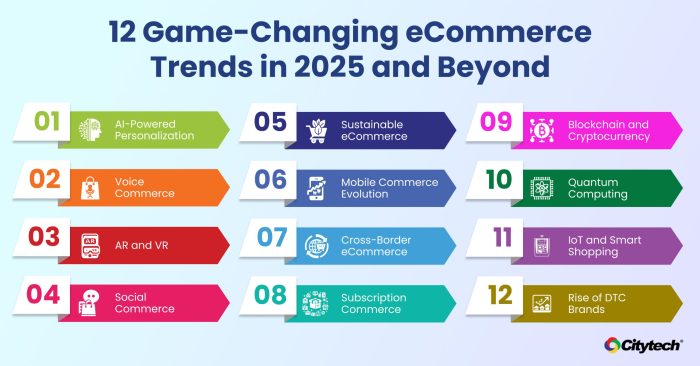
Data analytics plays a crucial role in refining eCommerce PPC strategies by providing valuable insights into consumer behavior, campaign performance, and ROI. By analyzing data effectively, businesses can optimize their PPC campaigns to drive more conversions and increase revenue.
Key Metrics for Successful PPC Optimization
- Click-through Rate (CTR): Measures the percentage of users who click on your ad after seeing it. A high CTR indicates that your ad is relevant to your target audience.
- Conversion Rate: Tracks the percentage of users who complete a desired action, such as making a purchase, after clicking on your ad.
- Return on Ad Spend (ROAS): Calculates the revenue generated for every dollar spent on advertising. A higher ROAS signifies a more effective PPC campaign.
- Cost per Acquisition (CPA): Determines how much it costs to acquire a new customer through your PPC campaign. Lower CPA is indicative of better campaign efficiency.
Data-Driven Decision Making in PPC Campaigns
Data analysis can drive PPC decision-making by identifying trends, patterns, and opportunities for optimization. For example, analyzing data on user demographics, device usage, and browsing behavior can help businesses tailor their ads to specific audience segments. By utilizing data effectively, businesses can make informed decisions on budget allocation, selection, ad copy optimization, and targeting strategies.
Importance of A/B Testing in PPC Campaigns
A/B testing is crucial in PPC campaigns for data-driven optimization. By testing different variations of ads, landing pages, and targeting criteria, businesses can determine which elements perform best and drive the highest conversions. Through A/B testing, businesses can refine their PPC strategies based on concrete data and insights, leading to improved campaign performance and ROI.
Final Conclusion
In conclusion, the landscape of eCommerce PPC optimization in 2025 is brimming with opportunities for businesses to elevate their digital presence. By staying abreast of the latest trends and leveraging advanced technologies, companies can unlock new avenues for growth and success in the competitive online market.
Embrace the future of eCommerce PPC optimization and watch your business flourish in the digital realm.
Quick FAQs
How important is PPC advertising for eCommerce businesses?
PPC advertising is crucial for eCommerce businesses as it enables targeted visibility, increased traffic, and higher conversion rates, ultimately driving revenue growth.
What are some examples of successful eCommerce PPC campaigns?
Successful eCommerce PPC campaigns include those that effectively target the right audience, utilize compelling ad creatives, and continuously optimize based on data-driven insights.
How can mobile optimization impact PPC conversion rates?
Mobile optimization plays a vital role in enhancing PPC conversion rates by ensuring a seamless user experience, faster loading times, and responsive design for mobile users.
What key metrics should be tracked for successful PPC optimization?
Key metrics for successful PPC optimization include click-through rates, conversion rates, cost per acquisition, return on ad spend, and overall campaign ROI.
Why is A/B testing important in PPC campaigns?
A/B testing is essential in PPC campaigns as it allows businesses to experiment with different ad variations, landing pages, and targeting strategies to identify the most effective approaches for optimization.